


SULJE

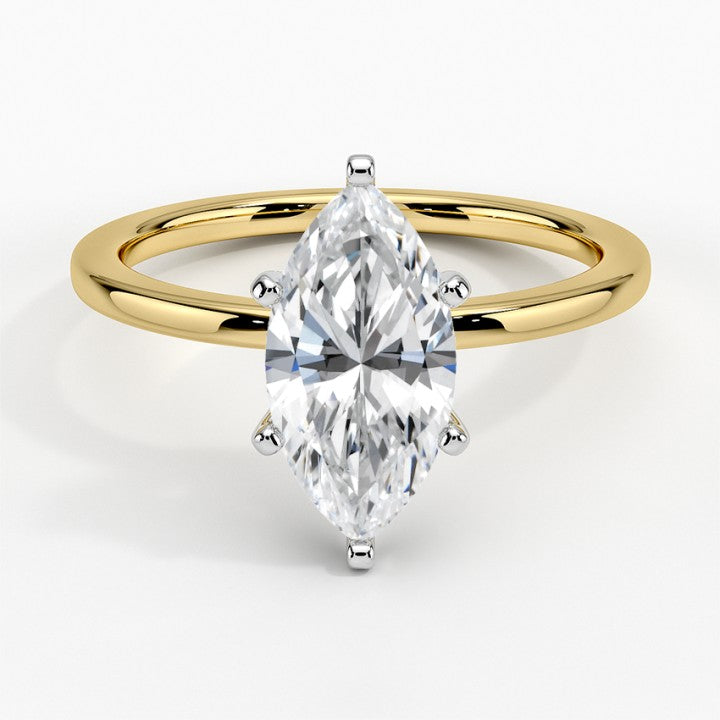
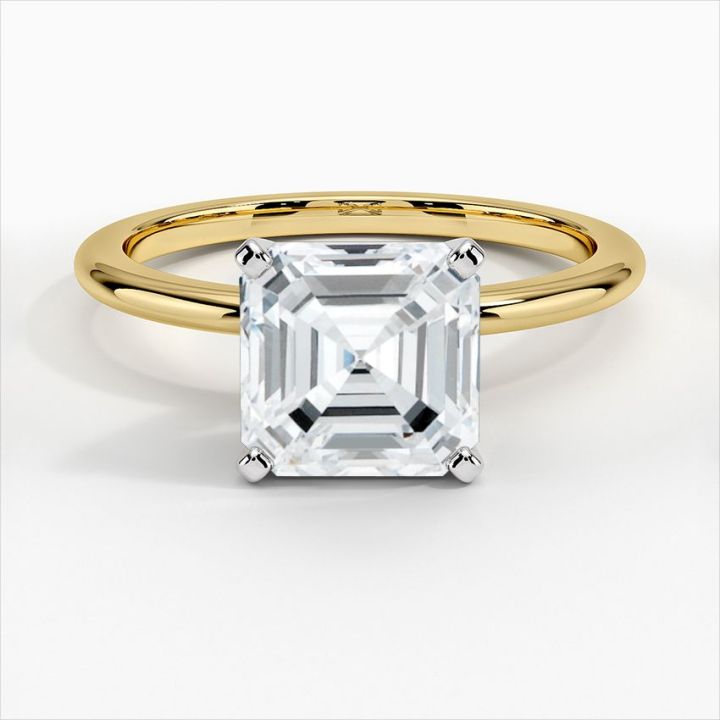
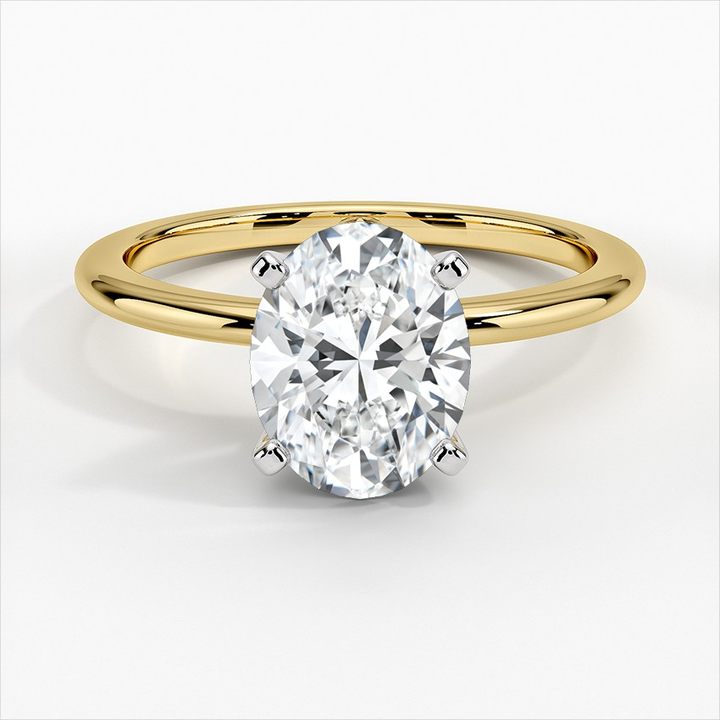
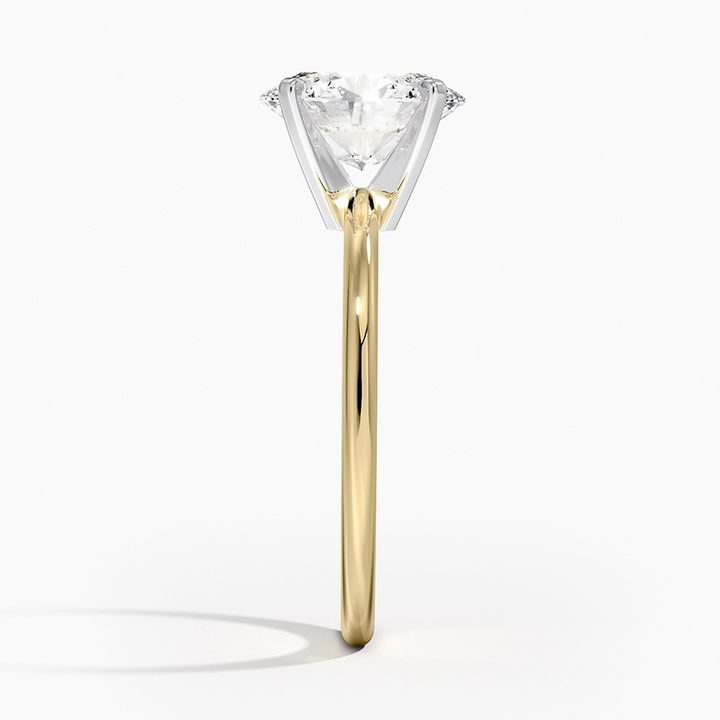
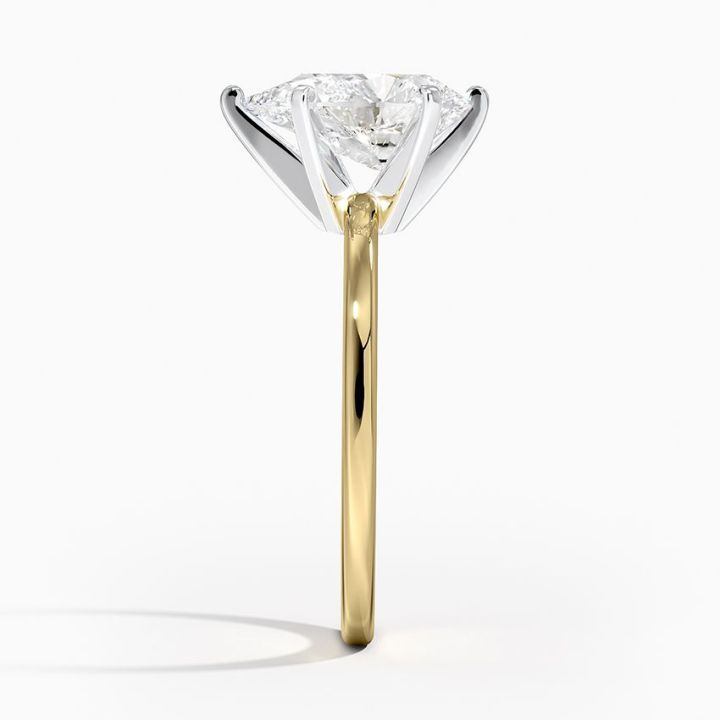
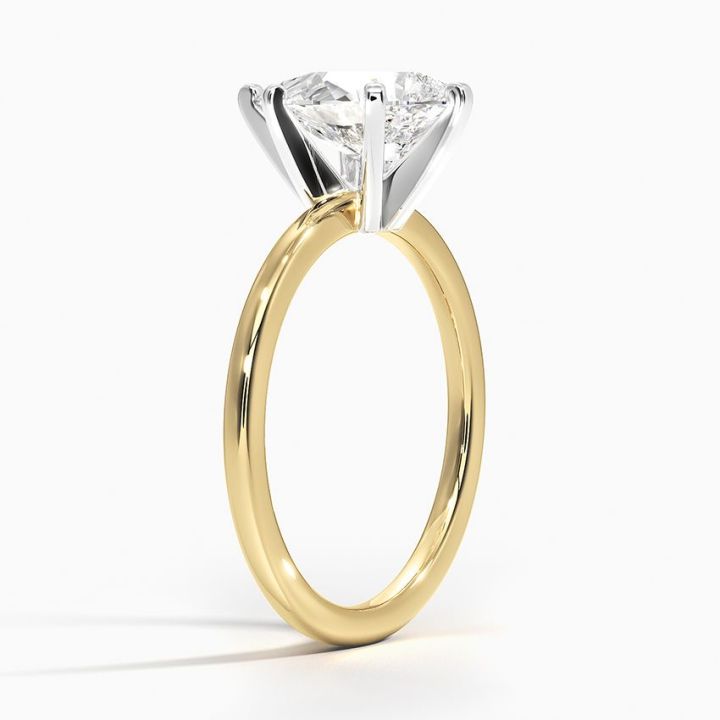
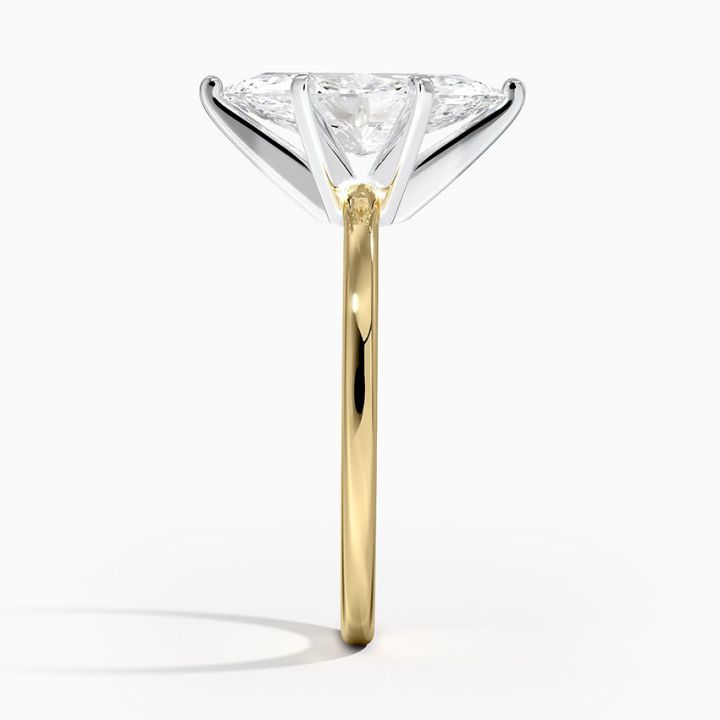
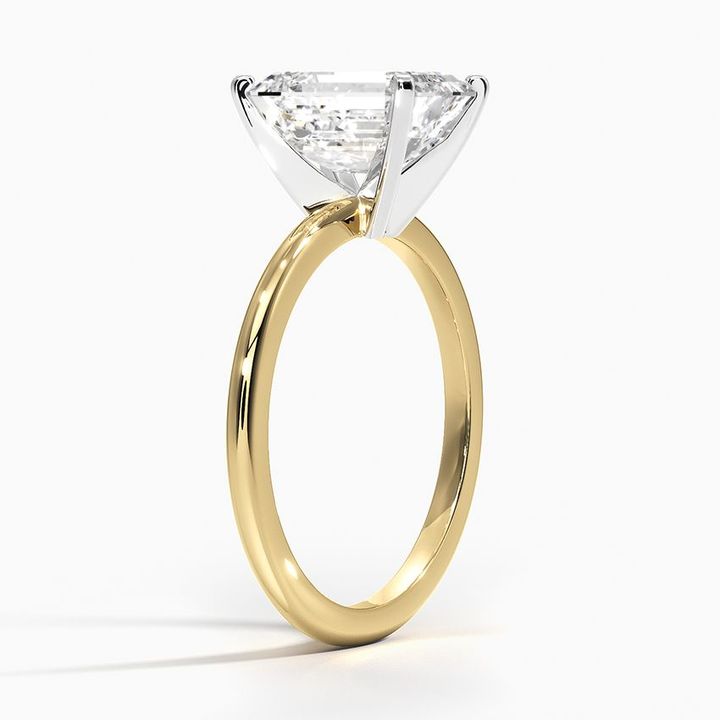
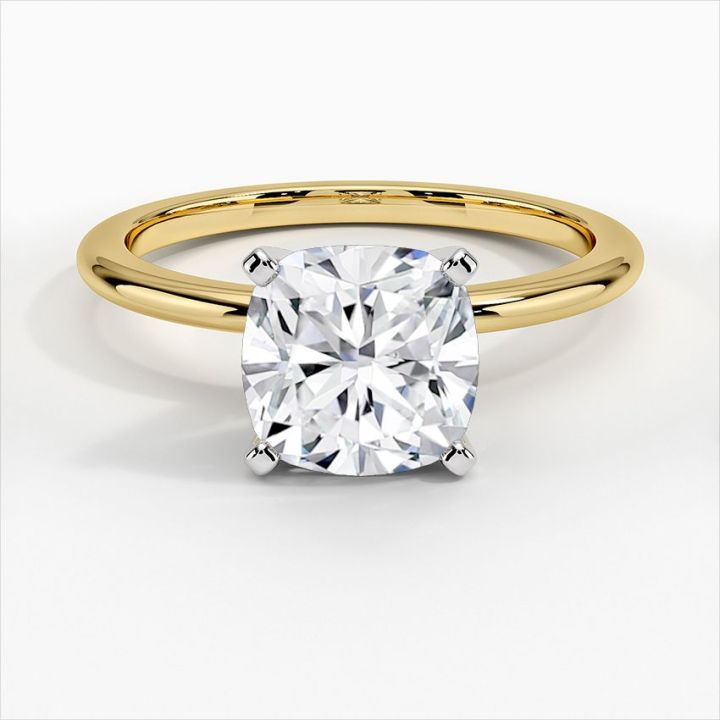
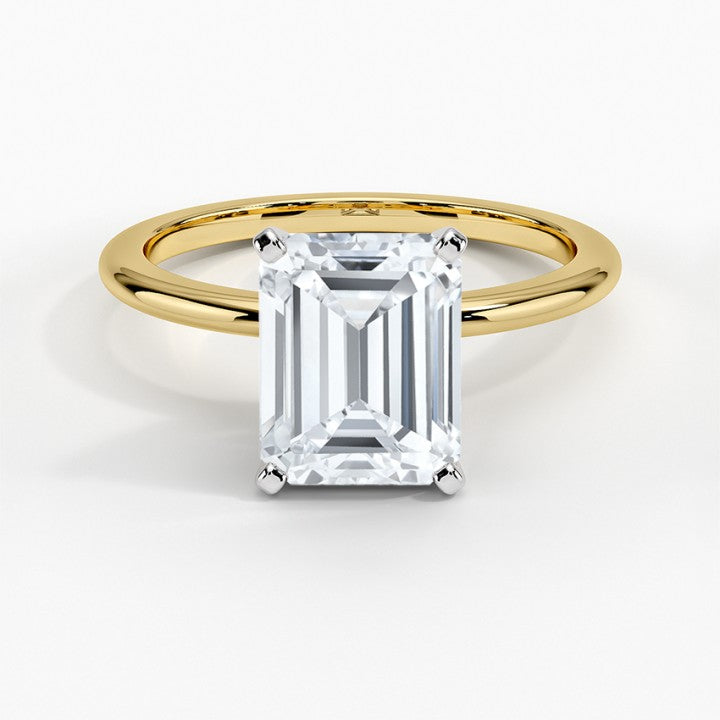
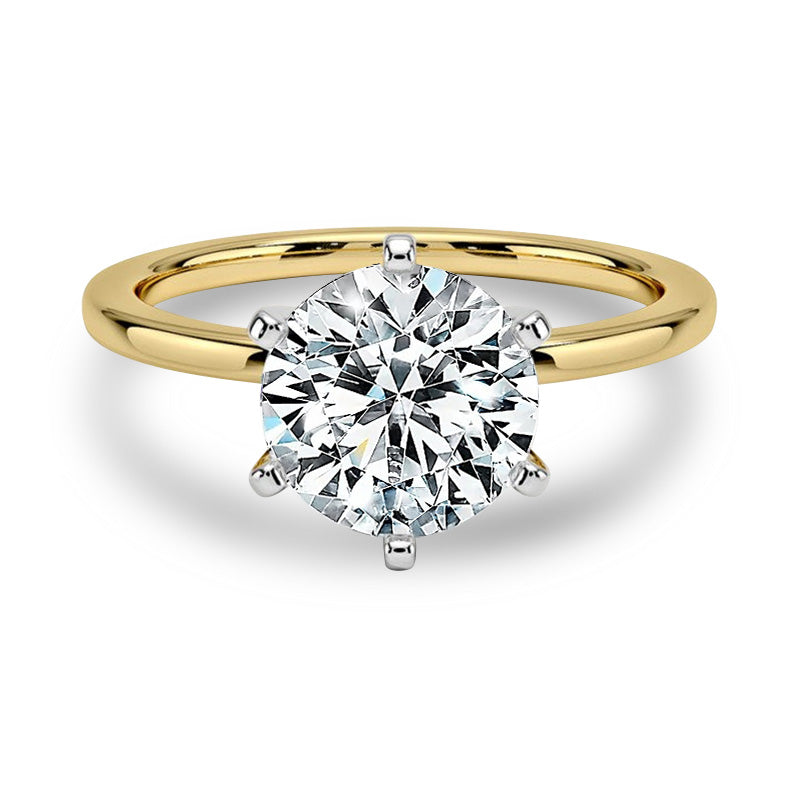
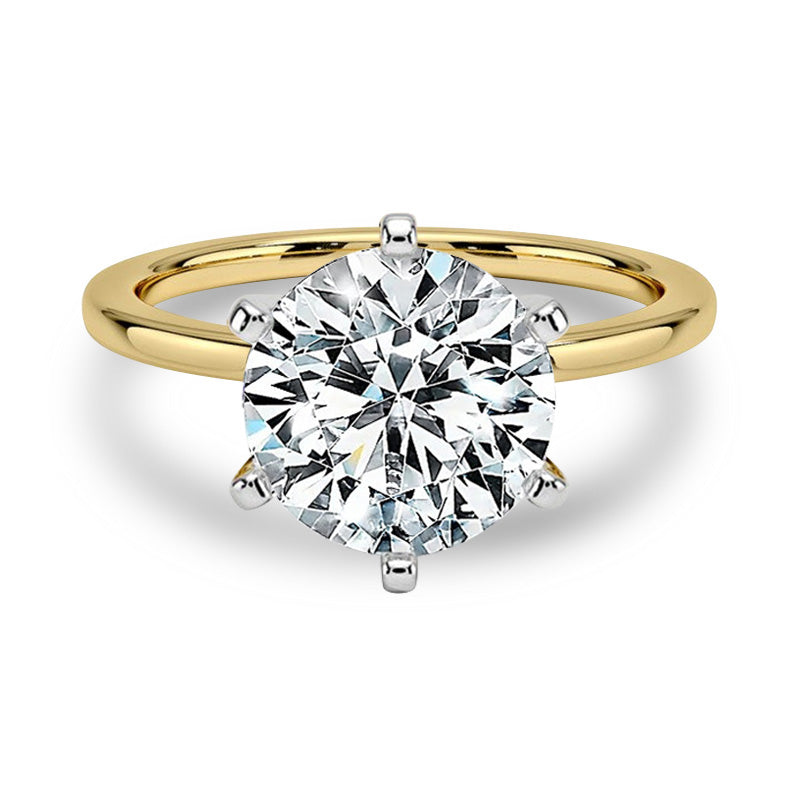
Mixed Metal Moissanite Engagement Ring-VOOGME

Two-Tone Moissanite Engagement Ring

CR002-OV-10-10Y
$849.00 USD
$0.00 USD
Stone Shape
Oval
Pear
Marquise
Princess
Asscher
Cushion
Radiant
Emerald
Round
Carat
1
2
3
4
5
4.5
Metal
10K Yellow Gold
14K Yellow Gold
18K Yellow Gold
✈ Free shipping
✔ Secure payments

Split into 4 payments at checkout with Afterpay.
Product Details
Shipping 
We process and ship all Karat Gold, Platinum & Custom orders within 10-20 day!
Lifetime Warranty
We stand behind every piece we create. All Karat Gold, Platinum, and Custom products come with a Lifetime Warranty covering fading, missing stones, and manufacturer defects. If any issue occurs, we will repair or replace your item.
Eco-Friendly & Sustainable  
We choose ethical materials that are not only gorgeous, but also beneficial to the planet.  
Size & Fit
All our rings are made true to U.S. standard ring sizes. Check your size here.

Notice: The main stone over 0.5ct will come with a GRA/IGI/AGL certificate.

Different Karats of Gold

At VOOGME, we offer three solid gold options: 10k, 14k, and 18k. All are excellent choices for jewelry and designed to last a lifetime—but what’s the difference between 10k and 14k gold, or the difference between 14k and 18k gold? Let’s break it down.

Karat Gold Purity Color Durability Hypoallergenic Properties Price Best Suited For
10K 41.70% Lighter tone with slightly muted appearance due to high alloy content Most resistant to scratching, denting, and daily wear Least hypoallergenic due to higher alloy content Most affordable option Active lifestyles, everyday jewelry, work environments, budget-conscious buyers
14K 58.30% Rich color Strong durability with good wear resistance Moderately hypoallergenic, especially in nickel-free compositions. Good for most wearers. Excellent value-to-durability ratio. Standard market price point. Daily wear jewelry, engagement rings, wedding bands. Most versatile option.
18K 75% Deep, rich color Moderately durable but more prone to scratching than lower karats Highly hypoallergenic, great for sensitive skin Premium price point reflecting higher gold content High-end jewelry, special occasions, luxury pieces, sensitive skin
24K 99.90% Intense gold color Extremely soft and easily damaged. Prone to scratching, denting, and deformation. Most hypoallergenic being pure gold. Virtually zero risk of reactions. Highest price point. Maximum precious metal value. Not suitable for daily wear


10K vs. 14K vs. 18K vs. 24K: What Karat Gold Is Best?

The "best" karat of gold depends entirely on how you plan to wear your jewelry, along with your personal preferences for color, durability, and investment value. 

When selecting the ideal gold karat for your jewelry, consider several key factors. For engagement rings and fine jewelry pieces, both 14K and 18K gold present exceptional options, each offering a sophisticated balance of durability and aesthetic appeal.   

For those leading active lifestyles or seeking maximum durability, 10K gold is a practical choice. Its higher proportion of strengthening alloy metals creates a robust material that withstands daily wear, though it displays a lighter gold color. Conversely, 24K gold is generally reserved for investment purposes or ceremonial jewelry due to its softness and susceptibility to damage.  

The choice between these options ultimately depends on your specific requirements for durability, aesthetic preferences, and intended use. For most fine jewelry applications, 14K and 18K gold stand out as the best choices, offering an optimal balance of durability, beauty, and value. 

About Moissanite

What Is Moissanite?

Moissanite is one of the rarest minerals found in nature,it is a mineral composed of silicon carbide. Often referred to as the gemstone from the stars, it was discovered in 1893 inside of a meteorite in Canyon Diablo, Arizona, by Nobel Prize-winning chemist Henri Moissan. 

What Is the difference between Moissanite and Diamond?


Feature Moissanite Diamond
Durability Rated 9.25 on the Mohs scale, ideal for daily wear. Hardest natural mineral at 10 Mohs, perfect for engagement rings.
Brilliance Moissanites are slightly more brilliant than diamonds, though they feature more than twice the amount of fire. If a moissanite is larger than 1 carat, the difference in fire can be very noticeable as it has a refractive index of 2.64 to 2.69. Natural diamonds are slightly less brilliant than moissanite and feature two times less fire, though they still exhibit dispersion and scintillation. The refractive index of diamonds ranges from 2.417 to 2.419.
Color Available colorless or near-colorless, also comes in hues like teal, grey, yellow, and black. Occurs naturally colorless or in rare colors such as pink, blue, and yellow.
Price Moissanite is dramatically lower in price than diamonds of the same carat weight. Their pricing is based on size, shape, and whether the stone is colorless or near colorless. Premium pricing due to rarity, formation process, and 4C quality grading.
Sourcing Lab-grown under controlled conditions, ethically produced. Mined from the Earth, then cut and polished.
Meaning & Symbolism Represents strength, connection, and enduring love. Symbol of purity, love, and timeless commitment.
Popular Ring Styles & Settings Round, radiant, princess, and contemporary cuts shine in solitaire or cluster settings. Wide variety including round, princess, cushion, and emerald cuts; shines in all classic settings including three-stone rings.


About Diamond

What Is A Lab Grown Diamond?

Lab grown diamonds are real diamonds produced in a controlled laboratory setting. Chemically, physically, and optically, lab diamonds are identical to natural diamonds, with the same hardness, brilliance, and fire. and even receive certification through the Gemological Institute of America (GIA) or AGL.

The popularity of lab grown diamonds has taken the market by storm in the United States, and as of 2026 lab diamonds are chosen by over half of VOOGE customers, similar to the national average.

Our experts have recreated lab-grown diamonds in a lab to deliver you an affordable and ethically sourced alternative.


What Is the difference between Lab Grown Diamond and Natural Diamond?

"An Affordable True Diamond "

Lab diamonds are a great way to get a larger, higher-quality diamond without increasing your budget. VOOGE are also making fine jewelry more affordable, especially popular pieces like diamond earrings and tennis bracelets, whether as gifts or personal treats.
we will come with a grading report issued by an independent institute(GIA/AGL). This will state whether the gem is natural or lab-grown along with its grading in terms of the 4Cs: cut, color, clarity and carat. 

Lab Grown Diamond vs. Natural
Here’s how a lab grown diamond and a natural diamond compare:
  Lab Grown Diamond Natural Diamond

Durability

10 on the Mohs scale

10 on the Mohs scale

Brilliance

Refractive index ranges from 2.417 to 2.419

Refractive index ranges from 2.417 to 2.419


Color

Primarily colorless, but can also occur in many color options that are often more vivid than natural options

Primarily colorless, but can also occur in many color options including pink, blue, and yellow

Grading

Graded on cut, color, clarity, and carat

Graded on cut, color, clarity, and carat

Certification

Certified by reputable gemological institutions

Certified by reputable gemological institutions

Origin

Grown in controlled laboratories over several days to weeks, then cut and polished

Formed deep in Earth over billions of years, mined, cut, and polished

Rarity

Can be produced in increasing quantities as technology advances

Limited quantities based on geological conditions

Price

Lower cost due to availability

Higher cost due to mining and rarity


  • Different Karats of Gold

  • About Moissanite

  • About Diamond

At VOOGME, we offer three solid gold options: 10k, 14k, and 18k. All are excellent choices for jewelry and designed to last a lifetime—but what’s the difference between 10k and 14k gold, or the difference between 14k and 18k gold? Let’s break it down.

Karat Gold Purity Color Durability Hypoallergenic Properties Price Best Suited For
10K 41.70% Lighter tone with slightly muted appearance due to high alloy content Most resistant to scratching, denting, and daily wear Least hypoallergenic due to higher alloy content Most affordable option Active lifestyles, everyday jewelry, work environments, budget-conscious buyers
14K 58.30% Rich color Strong durability with good wear resistance Moderately hypoallergenic, especially in nickel-free compositions. Good for most wearers. Excellent value-to-durability ratio. Standard market price point. Daily wear jewelry, engagement rings, wedding bands. Most versatile option.
18K 75% Deep, rich color Moderately durable but more prone to scratching than lower karats Highly hypoallergenic, great for sensitive skin Premium price point reflecting higher gold content High-end jewelry, special occasions, luxury pieces, sensitive skin
24K 99.90% Intense gold color Extremely soft and easily damaged. Prone to scratching, denting, and deformation. Most hypoallergenic being pure gold. Virtually zero risk of reactions. Highest price point. Maximum precious metal value. Not suitable for daily wear


10K vs. 14K vs. 18K vs. 24K: What Karat Gold Is Best?

The "best" karat of gold depends entirely on how you plan to wear your jewelry, along with your personal preferences for color, durability, and investment value. 

When selecting the ideal gold karat for your jewelry, consider several key factors. For engagement rings and fine jewelry pieces, both 14K and 18K gold present exceptional options, each offering a sophisticated balance of durability and aesthetic appeal.   

For those leading active lifestyles or seeking maximum durability, 10K gold is a practical choice. Its higher proportion of strengthening alloy metals creates a robust material that withstands daily wear, though it displays a lighter gold color. Conversely, 24K gold is generally reserved for investment purposes or ceremonial jewelry due to its softness and susceptibility to damage.  

The choice between these options ultimately depends on your specific requirements for durability, aesthetic preferences, and intended use. For most fine jewelry applications, 14K and 18K gold stand out as the best choices, offering an optimal balance of durability, beauty, and value. 

What Is Moissanite?

Moissanite is one of the rarest minerals found in nature,it is a mineral composed of silicon carbide. Often referred to as the gemstone from the stars, it was discovered in 1893 inside of a meteorite in Canyon Diablo, Arizona, by Nobel Prize-winning chemist Henri Moissan. 

What Is the difference between Moissanite and Diamond?


Feature Moissanite Diamond
Durability Rated 9.25 on the Mohs scale, ideal for daily wear. Hardest natural mineral at 10 Mohs, perfect for engagement rings.
Brilliance Moissanites are slightly more brilliant than diamonds, though they feature more than twice the amount of fire. If a moissanite is larger than 1 carat, the difference in fire can be very noticeable as it has a refractive index of 2.64 to 2.69. Natural diamonds are slightly less brilliant than moissanite and feature two times less fire, though they still exhibit dispersion and scintillation. The refractive index of diamonds ranges from 2.417 to 2.419.
Color Available colorless or near-colorless, also comes in hues like teal, grey, yellow, and black. Occurs naturally colorless or in rare colors such as pink, blue, and yellow.
Price Moissanite is dramatically lower in price than diamonds of the same carat weight. Their pricing is based on size, shape, and whether the stone is colorless or near colorless. Premium pricing due to rarity, formation process, and 4C quality grading.
Sourcing Lab-grown under controlled conditions, ethically produced. Mined from the Earth, then cut and polished.
Meaning & Symbolism Represents strength, connection, and enduring love. Symbol of purity, love, and timeless commitment.
Popular Ring Styles & Settings Round, radiant, princess, and contemporary cuts shine in solitaire or cluster settings. Wide variety including round, princess, cushion, and emerald cuts; shines in all classic settings including three-stone rings.


What Is A Lab Grown Diamond?

Lab grown diamonds are real diamonds produced in a controlled laboratory setting. Chemically, physically, and optically, lab diamonds are identical to natural diamonds, with the same hardness, brilliance, and fire. and even receive certification through the Gemological Institute of America (GIA) or AGL.

The popularity of lab grown diamonds has taken the market by storm in the United States, and as of 2026 lab diamonds are chosen by over half of VOOGE customers, similar to the national average.

Our experts have recreated lab-grown diamonds in a lab to deliver you an affordable and ethically sourced alternative.


What Is the difference between Lab Grown Diamond and Natural Diamond?

"An Affordable True Diamond "

Lab diamonds are a great way to get a larger, higher-quality diamond without increasing your budget. VOOGE are also making fine jewelry more affordable, especially popular pieces like diamond earrings and tennis bracelets, whether as gifts or personal treats.
we will come with a grading report issued by an independent institute(GIA/AGL). This will state whether the gem is natural or lab-grown along with its grading in terms of the 4Cs: cut, color, clarity and carat. 

Lab Grown Diamond vs. Natural
Here’s how a lab grown diamond and a natural diamond compare:
  Lab Grown Diamond Natural Diamond

Durability

10 on the Mohs scale

10 on the Mohs scale

Brilliance

Refractive index ranges from 2.417 to 2.419

Refractive index ranges from 2.417 to 2.419


Color

Primarily colorless, but can also occur in many color options that are often more vivid than natural options

Primarily colorless, but can also occur in many color options including pink, blue, and yellow

Grading

Graded on cut, color, clarity, and carat

Graded on cut, color, clarity, and carat

Certification

Certified by reputable gemological institutions

Certified by reputable gemological institutions

Origin

Grown in controlled laboratories over several days to weeks, then cut and polished

Formed deep in Earth over billions of years, mined, cut, and polished

Rarity

Can be produced in increasing quantities as technology advances

Limited quantities based on geological conditions

Price

Lower cost due to availability

Higher cost due to mining and rarity


Frequently Asked Questions
Gold Karats FAQs
Is 10K gold real gold?
Yes — it’s 41.7% pure gold and extremely durable. We just don’t use it because it doesn’t meet our standards for softness, color, or custom design work.
Is 14K gold a good choice for engagement rings?
Absolutely. It’s strong, stunning, and holds up to everyday wear — a great choice for engagement rings or wear everyday rings.
Does 14K gold tarnish over time?
Not exactly — it doesn’t tarnish like silver, but it can dull and scratch slightly with daily wear. A quick polish brings it right back to its glowing golden shine.
What’s better for wedding bands: 14K or 18K?
It depends on your lifestyle. 14K is more resistant to scratching — great if you have a higher-impact job or are tougher on your jewelry. 18K has a luxe feel and deeper color, ideal if you're gentler with your jewelry.
Which gold is best for sensitive skin?
18K yellow gold is usually the safest — more pure gold, fewer alloys. Platinum is also a great hypoallergenic option.
Moissanite vs Diamond FAQs
Is moissanite a fake diamond?
No, moissanite is not a fake diamond—it's a chemically different gemstone with its own unique properties. Though moissanites look similar to diamonds, they are made of silicon carbide instead of carbon.
Can water ruin moissanite?
Though water itself won't hurt moissanite, repeated exposure to pool chemicals or shampoo and conditioner in the shower can cause a moissanite ring to lose its shine over time. Therefore, it's recommended to limit water exposure to your moissanite jewelry.
How long will a moissanite ring last?
Similar to a diamond, a moissanite ring should last a lifetime. With a 9.25 out of 10 on the hardness scale, moissanite is durable enough to last decades with proper care.
Lab Grown Diamond vs Natural Diamond FAQs
Are lab grown diamonds real?
Yes. A Lab Grown Diamond has the same chemical make up as ‘Natural’ Diamonds. They also come with a diamond certification.
How do lab grown diamonds compare to natural diamonds in terms of quality?
From both practical and visual perspectives, lab grown diamonds match the quality of natural diamonds. They possess the same hardness and potential for light performance, assuming they are fully transparent and precisely cut.
Can lab-grown diamonds be used for engagement rings and fine jewelry?
Yes, lab-grown diamonds are increasingly popular choices for engagement rings, wedding bands, and fine jewelry pieces. 

Let customers speak for us